What to wear to an interview

what to wear to an interview

It only takes a few seconds for an interviewer to decide how they feel about you…

Translation? No matter how strong your experience or how polished your interview technique is, you should never underestimate the importance of a great interview outfit.

While we can’t help you pick out the lucky socks you’ll wear on the day, we can help ensure your clothes don’t cost you the job. To help you look the part, we’ve put together a comprehensive guide on how to dress for success:

Key takeaways from this article

  • Research is vital: Always check the company culture and dress code before choosing your fit.
  • Comfort equals confidence: Avoid brand-new clothes that might be itchy, tight, or restrictive.
  • One level up: When in doubt, dress slightly smarter than the daily office attire.
  • Details matter: Iron your shirt, polish your shoes, and keep accessories subtle.
  • Video calls count: Dress fully (yes, including trousers) for remote interviews.


Figuring out what to wear to an interview

Generally, business casual or formal attire is expected for interviews, but this can vary depending on the company, role, and sometimes even the person interviewing you. 

Here’s how to work out the dress code:

  • Start with some detective work: Check the company’s website and scroll through their social media pages for team photos or events. These can give you real-life snapshots of what employees wear on the job.
  • When in doubt, ask: If your research turns up nothing, don’t be afraid to ask the HR department. Let them know you’ve got an interview and want to make the right impression – they’ll usually be happy to help, and it shows you care.
  • Factor in the sector and role: Corporate jobs (think banks, law firms, or big agencies) typically call for formal or business attire – like suits, dress shirts, smart shoes. For creative, tech, or casual environments, business casual or neat, smart-casual styles often work best. If it’s retail or hospitality? Aim for tidy, professional clothes that match the vibe of the workplace.
  • Still not sure? Dress one step up: It’s always safer to look a touch smarter than not smart enough. Feeling put-together helps you project confidence – even if you’re sweating under a smart blazer.

Bottom line: The best outfit is one that makes you feel comfortable, confident, and ready to impress – while fitting the setting and role you’re after.

How to prepare for an interview


Decoding the dress code

Sometimes the hardest part of choosing clothes to wear to an interview is deciphering the terminology. Here’s a quick breakdown of the most common dress codes (and what roles they fit best) to help you avoid a fashion faux pas:

Formal interview outfits

This is your most polished and professional option – a classic, structured look that’s ideal for industries where dressing to impress is the norm. It’s the go-to for traditional fields like law, finance, or executive roles, where a full suit really is expected.

  • For men: A tailored suit in navy, black, or dark grey, paired with a white or light blue shirt and a silk tie.
  • For women: A pantsuit, skirt suit, or a structured dress with a blazer.
  • Footwear: Classic leather shoes or heels (keep the height practical).

Business casual interview outfits

This is a professional and structured look, sitting just a step below a full suit. Business casual is polished and put-together, making it perfect for traditional office environments where a sense of professionalism still matters, but a suit and tie isn’t strictly necessary. It’s suited to industries like administration, finance, marketing, and education.

  • For men: Tailored dress trousers with a collared button-down shirt—tucked in, of course. Add a smart blazer for extra polish. Ties are optional, but a blazer shows you mean business.
  • For women: A crisp blouse with tailored trousers or a modest knee-length skirt. A structured cardigan or blazer adds a professional edge.
  • Footwear: Dress shoes or loafers for men; refined flats, loafers, or low heels for women – all in good condition and neutral tones.

Smart casual interview outfits

Smart casual is all about looking effortlessly put together – neat and professional, with a dash of personal style. It’s more relaxed than business casual, offering room for creativity and comfort while still showing you’ve made an effort for the occasion. This dress code is common in creative fields, startups, or companies with a modern vibe.

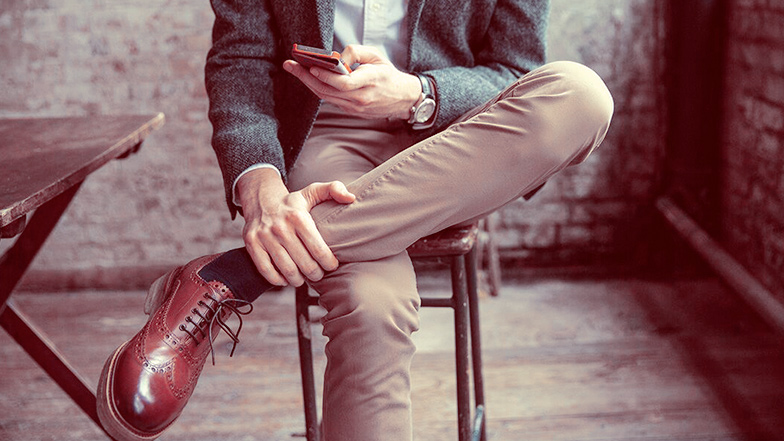
  • For men: Try chinos or well-fitted dark jeans, a casual button-down shirt or fine-knit jumper, and a smart jacket or unstructured blazer. No tie needed—think approachable but tidy.
  • For women: Think tailored trousers, a midi skirt, or even sleek dark jeans, teamed with a blouse, a neat knit top, or a simple dress. Layer with a cardigan or a relaxed blazer for a polished finish that’s not too formal.
  • Footwear: Clean loafers, stylish flats, or ankle boots—leave the super dressy shoes at home, but skip anything you’d wear to the gym.

Casual interview outfits

Casual for an interview means dialing down the formality while keeping things neat and comfortable. It’s ideal for creative companies or startups that are happy for you to bring your own style. But remember, you still want to look like you made an effort, even if you left your blazer at home.

  • For men: Dark, neat jeans or chinos are fair game. Pair with a casual shirt (think untucked Oxford or even a smart t-shirt), or a laid-back knit. Skip the blazer if you like—a tidy bomber jacket or no jacket at all is fine. 
  • For women: Black jeans, wide-leg trousers, or a simple skirt—just keep things unfussy. A plain blouse, knit top, or a relaxed dress shows you’ve put thought in, but aren’t overdressed. Swap the blazer for a cardigan, denim jacket, or nothing at all.
  • Footwear: Choose clean trainers (only if you’re sure they’re appropriate for the company), loafers, or low-key boots. 

Five common job interview mistakes


The outfit that works for (almost) every interview

If you’re struggling to find the perfect balance between smart interview attire and feeling like yourself, try these failsafe combinations.

Interview attire for men

The outfit: A crisp white button-down shirt; chinos; brogues or boots; and a textured blazer in case the A/C is on high or you feel too casual. Wear your smartest coat on top.

Why this works: By sticking to simple basics, you’ll ensure your interviewer focuses on you, not your clothes. This outfit is classic and mature, and shows more personality than a suit.

Interview attire for women

The outfit: A blouse in a block colour or a crisp white shirt; dark skinny jeans or cigarette pants; brogues or loafers; and your contingency layer of choice, like a well-tailored blazer in a boyfriend style or with a nipped-in waist (and in a different colour to your trousers). For the shirt, choose whatever fabric makes you most comfortable. Crisp white cotton is timeless, and silk or chiffon can be more flattering if you’re curvier.

Why this works: It’s simple, refined, and not distracting. Combining separates shows some personality, but the tailored jacket looks professional.

Common interview questions and answers


What to wear for a video interview

Remote interviews are now standard practice. But just because you’re at home doesn’t mean standards slip. Here are our top tips:

  • Wear the full outfit: Including trousers. After all, you never know when you might need to stand up to close a blind or grab a charger, and revealing your Mickey Mouse pyjama bottoms is a risk you don’t need to take.
  • Check your colours: Some patterns (like tight stripes) can ‘strobe’ on camera, which is distracting. To avoid this, stick to solid block colours.
  • Lighting matters: Ensure your outfit doesn’t blend into your background. If you have a white wall, wear a dark top to create contrast.

Video interview tips

Interview types: What you need to know


Interview outfit tips to help you stand out 

Looking good for an interview doesn’t have to be complicated. Follow these practical tips to ensure your outfit leaves a lasting impression:

1. Dress for the sector

Every workplace has its own style code, and doing your research is the best way to figure it out. For example, if you’re interviewing for a role at a creative agency, add in some subtle personality – like bold socks or a standout accessory (just not both). On the other hand, for law firms or more traditional offices, classic attire still wins. When in doubt, lean towards smarter rather than scruffier. You can always relax your outfit once you have the job, and dressing the part helps you feel the part too.

2. Check the weather

Never underestimate the power of appropriate layers. Commuting in pouring rain? Bring a sturdy, sharp umbrella to avoid the infamous ‘drowned-rat’ look. On a hot day? Choose breathable fabrics like cotton or linen. And if it’s cold outside? Add a blazer or smart jumper. Being ready for unpredictable weather means you’ll arrive cool (but not too cool), calm, and collected – no matter what the clouds decide.

3. Avoid overpowering accessories

Accessories should support your outfit, not upstage it. Steer clear of anything that jingles, glitters, or could be seen from the next postcode. Opt for one or two simple, well-chosen pieces – like a classic watch or a modest necklace. That way, your confidence and professionalism take centre stage instead of your bracelet collection.

4. Test your outfit sitting down

Interviews mean a lot of sitting, so give your outfit a ‘desk test’ at home before the day. Sit, stand, cross your legs – and see what gaps appear, if anything pinches, or if sleeves ride up in weird ways. If you’re comfy and look poised from every angle, you’ll fidget less and focus more on impressing your interviewer – not on your waistband.

5. Plan for travel

Even if you look great when you leave the house, your journey could throw a spanner in the works. To ensure a long train ride or a frantic run for the bus doesn’t dishevel your outfit, prepare accordingly. This could mean bringing a lint roller/hairbrush/deodorant in your bag, keeping a mini sewing kit handy for emergencies, or even packing your outfit in a garment bag if you’re worried about creasing.

6. Consider the whole picture

Tidy hair, fresh nails, and neat facial hair (if you have it) round out the first impression, and are often just as important as clothes. In addition to grooming at home, take a few minutes for a final check before heading in; freshen your breath, tuck away stray hairs, and keep makeup (and aftershave) subtle so nothing overpowers the room.

7. Have a backup plan

Interviews can be unpredictable. Whether it’s a coffee mishap or a missed step in a puddle, having a spare shirt or blouse in your bag is a lifesaver. It’s also a huge confidence boost knowing you can tackle any last-minute drama without missing a beat.

8. Don’t wear a brand-new outfit

Save experimentation for another day, and stick to clothes you know and trust – ones that won’t surprise you with scratchy seams or buttons that pop at the worst moment. If you need to buy something new, wear it around first and give it a ‘real life’ test. That way, you’ll spend the interview thinking about your answers, not your itchy collar.

9. Keep it cohesive

Too many colours or mismatched prints can leave a scattered impression. Stick to two or three main colours and check that every element of your outfit – bag, belts, shoes, even your socks – plays its part. Remember, little things make a big difference. A neat, coordinated look quietly tells your interviewer you’ve thought things through.

10. Layer up

Temperature swings are a given, so layering is vital. A shirt plus a lightweight jumper or tailored blazer gives you options and looks sharp with or without the extra layer. Bonus tip: materials like merino wool or silk help regulate your body temperature, keeping you comfortable (and sweat patch free) from start to finish.

11. Iron out all the details

Tiny details tell a big story, so make sure your outfit is clean, ironed, and free of stains or loose threads. Check your shoes for scuffs and keep fragrance light and fresh – if noticed at all. Ultimately, your outfit should free you up to shine, not pull attention away with creases or stray dog hairs.

How to deal with job interview stress

Interview answers that quietly ruin your chances (and what to say instead)


Frequently asked questions

Can I wear jeans to an interview?

Generally, it’s best to avoid blue denim unless you know for a fact the company has a very casual dress code. If you do go for jeans, choose black or very dark indigo, ensure they are tailored (not baggy), and pair them with a smart blazer to elevate the look.

What should I bring with me?

Your outfit isn’t just clothes. Ensure you have a smart bag or folder to carry copies of your CV, a notebook, and a pen. Turning up with crumbled papers in your pocket ruins the sharp look you’ve worked hard to create.

Four things to bring to a job interview

Is it okay to wear bright colours?

Personality is great, but neon can be distracting. If you love colour, use it as an accent – like a scarf, a tie, or a blouse under a neutral jacket – rather than wearing a head-to-toe bright yellow suit.


Still searching for your perfect position? View all available jobs now


4 comments on “What to wear to an interview

  1. disqus_NvwYtsif4t - April 4, 2016 at 19:30

    Good Article Hope it helps me 🙂

    Reply
  2. Anacra - April 8, 2016 at 08:53

    Information that you have given is especially more useful for freshers and job seekers. Thank you for sharing

    Anacra, Edubilla.

    Reply
  3. Lorna Long - May 20, 2018 at 22:28

    If you are going for a more senior position, which at your age I am presuming is the case, and you are applying for a management position be sure your shoes are quality leather and a chic, simple design. The same goes for a belt if you are wearing one and handbag. A scarf if you are wearing one should also be a quality material and fall /fold neatly, but beautifully. Quality in these items will lift your whole outfit. no one wants to employ someone in a management role where they can’t even afford a set of reasonably expensive but definitely quality authentic apparel. Jewellery if you are wearing any should be simple and ‘real’ – not cheap costume jewellery. No heavy, flashy plastic or fashion ‘fake’.

    Reply
    1. Annette W - March 15, 2019 at 07:29

      This I agree with,I recently had an interview for an executive assistant .and I think my dress code alone made me qualify for the position because even the reception I got compared to my other competitors was different and I thank God I took my time preparing for that interview.

      Reply