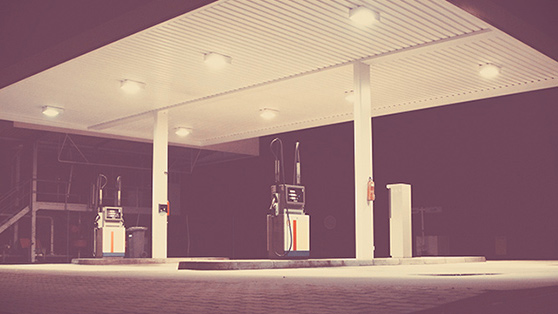
The downstream stage is the largest part of the oil and gas process, and it brings with it a wave of differing opportunities to work.
From refining crude oil to filling up your car at the local petrol station, downstream is where raw resources become the products we rely on every day. If you're considering a career in the sector, or you simply want to understand how the industry works, you're in the right place.
There are thousands of jobs available in downstream alone, meaning whatever your skillset, there's likely an oil and gas role out there for you. Here's everything you need to know about the downstream process:
Key takeaways from this article
- Downstream is the final stage: It covers refining, processing, distribution, marketing and retail, turning crude oil and natural gas into usable products.
- Refineries are central: Oil refineries are an essential part of the petroleum industry's downstream sector, converting crude oil into fuels and feedstocks.
- Careers are hugely varied: Roles span across engineering, operations, logistics, marketing, retail and customer service, suiting many different skill levels.
- The sector is changing fast: Decarbonisation, digitalisation and tighter regulation are reshaping downstream work and creating new skill demands.
- Pay and prospects are strong: Salaries often sit above national averages, with global travel, varied work and long-term career options on offer.
What is the downstream process?
The downstream process refers to the final stage of the oil and gas supply chain.
It covers everything that happens after crude oil and natural gas have been extracted from the ground. It includes:
- Refining
- Processing
- Distribution
- Marketing
- Selling
In short, downstream is where raw hydrocarbons become useful. It turns crude oil into petrol, diesel, jet fuel, plastics, lubricants and countless other products that power homes, vehicles and industries around the world.
Because it sits closest to the end consumer, downstream is also the part of the industry most people interact with directly, whether that's at a petrol station or through the thousands of everyday products made from petroleum.
How downstream differs from upstream and midstream
The oil and gas industry is usually split into three sectors, and understanding the difference helps you work out where you might fit in:
- Upstream: The exploration and production stage. This is where companies search for oil and gas reserves and extract them from the ground or seabed.
- Midstream: The transport and storage stage. This involves moving crude oil and natural gas through pipelines, ships, trucks and rail, and storing it before processing.
- Downstream: The refining, processing, distribution and retail stage. This is where raw materials are turned into finished products and sold.
There's often overlap between the three. Many large companies operate across all sectors, and midstream transport links closely with downstream distribution. But broadly, if a job involves turning raw resources into products people can buy and use, it sits in downstream.
Step one: Refining
The first, and arguably most integral, part of the downstream process is refining.
To put it simply, oil refining takes the crude oil extracted during the upstream process and turns it into a range of substances we can use. It's the foundation that everything else in downstream is built on.
How refining works
Refining is carried out through fractional distillation, a process which heats and separates the complex chemicals (mostly hydrocarbons) found in crude oil. Different substances boil and condense at different temperatures, so they can be drawn off at separate points in a distillation column.
Unwanted substances are removed, and any other materials produced are collected. After distillation, the fuels are transported elsewhere in the refinery to be processed further through methods such as cracking, reforming and treating.
Oil refineries cost billions of pounds to build and maintain, and run 24 hours a day, 365 days a year. Because they're such an expensive and essential part of the oil and gas industry, hiring the right people is extremely important. It's estimated that well over a million people work within refining worldwide.
It's estimated that well over a million people work within refinery jobs worldwide.
Jobs available in refining
Due to the complexity and importance of refining, jobs are available across a wide range of disciplines including construction, engineering, management, maintenance and administration.
Refining roles include:
- Project, Chemical and Electrical Engineer
- Pipe Fitter
- Welder and Cutter
- Pump System Operator
- Supervisor and Foreman
Step two: Natural gas processing
Natural gas processing also happens within the downstream stage.
Along with crude oil, natural gas is generally found underground, usually close to the source of oil. On its own, it isn't ready for use, so it needs to be cleaned up and prepared.
How processing works
It's in the downstream process that natural gas is rendered usable, by removing water and other impurities, along with by-products such as sulphur and ethane.
Processed natural gas is incredibly useful. It's used for products ranging from fuel for cooking and heating, through to producing cement, fertiliser and petrochemicals, and creating polyethylene polymers, the most widely used type of plastic. Once processed, it is then distributed for use.
Jobs available in processing
Jobs within the processing part of the industry are also primarily found within oil refineries and processing plants. Roles vary greatly depending on what material is being produced.
Processing roles include:
- Process Engineer
- Plant Operator
- Product Controller
- Turnaround (TAR) Manager
Step three: Distribution and marketing
Once oil and gas products have been refined and processed, the next stage is to get them to market.
Marketing
Marketing involves the wholesale and distribution of the product, as well as elements such as pricing. Pricing and demand are heavily influenced by a number of factors, including distance, economic and political conditions, refinery utilisation rates and oil contracts.
Distribution
After marketing, products are distributed to the appropriate parties. Many of the major companies involved in the midstream process are also key players in distribution, transporting refined oil and processed natural gas out to retail outlets, factories, storage facilities, or even their own sites.
Transport could include conventional methods such as oil tankers, trucks and rail shipments, or products may go straight from the refinery into a complex piping network to reach their destination. Most companies operate with a mix of transport types.
Jobs available in distribution and marketing
There are a number of roles available in these stages, and many may suit people already working in similar positions in other industries.
Marketing and distribution roles include:
- Hazard Analyst
- Commercial Analyst
- Marketing Assistant
- Truck Driver and Barge Driver
- Other transport-based positions
Step four: Retail
The final stage of the downstream process is retailing the finished product.
Some of these sales come through selling petrol, diesel and other fuel straight to consumers. However, a large amount is also sold to factories, power plants and businesses within the transport industry.
The downstream sector also reaches consumers through thousands of other products, such as heating oil, lubricants, synthetic rubber, plastics, fertilisers, antifreeze, pesticides and pharmaceuticals.
Some of the larger companies (known as 'super majors') may handle every element of the downstream process themselves, including retail. There are only a handful of these across the entire industry (for example BP, TotalEnergies and Shell), and even they may work with multiple other players for individual contracts.
Jobs available in retail
Retail roles in downstream are typically customer-facing positions, found at forecourts and fuel retail sites. Availability on general job boards can vary, and roles may be listed under broader retail or service categories.
Retail roles include:
- Petrol Pump Attendant
- Retail Assistant
- Forecourt Manager
- Customer Service Advisor
Key products created in the downstream process
Downstream is responsible for an enormous range of products that go far beyond fuel. Here are some of the most common:
- Transport fuels: Petrol, diesel, jet fuel and marine fuels.
- Heating and energy: Heating oil, liquefied petroleum gas (LPG) and natural gas for homes and businesses.
- Petrochemicals: The building blocks for plastics, synthetic rubber and fertilisers.
- Lubricants and specialty products: Engine oils, greases, waxes and bitumen.
- Everyday consumer goods: Antifreeze, pesticides, cosmetics ingredients and pharmaceuticals.
This variety is one reason the sector is so resilient: even as demand for some fuels shifts, demand for petrochemicals and specialty products remains strong.
How downstream is changing in 2026
The downstream sector looks different today than it did even a few years ago. If you're considering a career here, it helps to understand the trends shaping the work.
Decarbonisation and the energy transition
Pressure to cut emissions is reshaping refineries and processing plants. Many sites are investing in biofuels, hydrogen, carbon capture and sustainable aviation fuel. Some traditional refineries are being converted into facilities that process renewable feedstocks. This shift is creating fresh demand for engineers and technicians with low-carbon expertise.
Digitalisation and automation
Refineries increasingly rely on data, sensors and automation to run efficiently. Digital twins, predictive maintenance and AI-driven monitoring help operators spot problems before they happen. As a result, employers value people who can combine traditional process knowledge with digital and data skills.
Safety and regulation
Safety has always been central to downstream work, and regulation continues to tighten. Workers must follow strict environmental, health and safety standards, and many roles require specific certifications. A strong safety mindset is one of the most sought-after qualities in the sector.
Changing product demand
As electric vehicles grow in popularity, demand for petrol and diesel may shift over time. However, demand for petrochemicals, aviation fuel and specialty products is expected to stay strong, which keeps the downstream sector both busy and evolving.
Common downstream careers and job roles
One of the biggest attractions of downstream is the sheer range of careers in oil and gas on offer. Roles broadly fall into a few categories:
- Engineering and technical: Chemical, process, mechanical and electrical engineers who design and improve operations.
- Operations and maintenance: Plant operators, technicians, pipefitters, welders and turnaround specialists who keep facilities running.
- Logistics and distribution: Drivers, schedulers, supply chain analysts and commercial analysts who move products to market.
- Commercial and marketing: Trading, pricing, marketing and business development professionals.
- Retail and customer service: Forecourt staff, retail assistants, sales representatives and managers.
- Support functions: Finance, HR, health and safety, sustainability and administration.
This means there are entry points for school leavers, graduates, apprentices and experienced professionals alike.
Skills employers look for
Whatever role you're aiming for, certain skills will help you stand out:
- Technical and analytical ability: Especially for engineering, processing and data-focused roles.
- A strong safety mindset: Following procedures and spotting risks is essential across the sector.
- Problem-solving: Refineries and plants face complex challenges that need quick, sensible solutions.
- Communication and teamwork: Most roles involve working closely with others across large operations.
- Adaptability: With the sector evolving, a willingness to learn new technologies and methods is highly valued.
- Customer service: Particularly important for retail and front-line positions.
If you're switching from another industry, don't underestimate your transferable skills. Project management, logistics, engineering and customer service experience can all translate well.
Why should I work in the oil and gas industry?
Aside from being an incredibly diverse area to work within, the oil and gas industry is also one of the most lucrative. Annual salaries are well above national averages, and the sector offers genuine long-term career prospects.
Other benefits include flexible working and the opportunity to travel globally as part of your career. With the energy transition under way, there's also the chance to be part of meaningful change, helping shape how the world produces and uses energy in the years ahead.
If you're looking for a career with longevity, varied and exciting work, and excellent pay, downstream oil and gas might be for you.
Frequently asked questions
What is the downstream process in oil and gas?
The downstream process is the final stage of the oil and gas supply chain. It covers refining crude oil, processing natural gas, and distributing, marketing and retailing the finished products to consumers and businesses.
Are oil refineries part of downstream?
Yes. Oil refineries are an essential part of the petroleum industry's downstream sector. They convert crude oil into usable products such as petrol, diesel, jet fuel and petrochemical feedstocks.
What is the difference between upstream, midstream and downstream?
Upstream covers exploration and extraction. Midstream covers transport and storage. Downstream covers refining, processing, distribution, marketing and retail, turning raw resources into finished products.
What jobs are available in the downstream sector?
Downstream offers a wide range of roles, including chemical and process engineers, plant operators, pipefitters, welders, truck drivers, commercial analysts, marketing staff, retail assistants and sales representatives.
Do I need a degree to work in downstream oil and gas?
Not always. Many technical and engineering roles require a degree or specialist qualifications, but operations, maintenance, logistics and retail roles often welcome apprentices, school leavers and people with relevant experience.
Looking for a job in oil and gas? View all vacancies now.