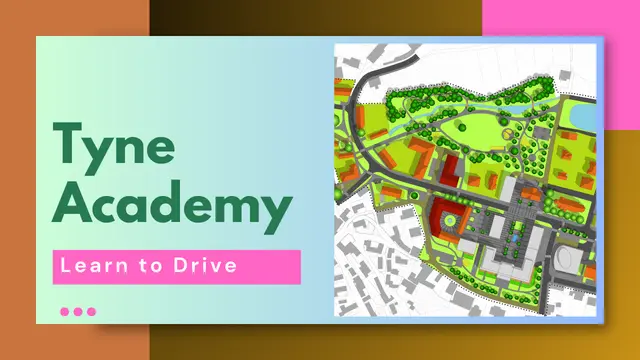
Town Planning Fundamentals for Architectures and Civil Engineers
Advanced Level | Free PDF Certificate Included | 24/7 Tutor Support Included | No Hidden Fees | Lifetime Access
Summary
- Reed Courses Certificate of Completion - Free
- Tutor is available to students
Add to basket or enquire
Overview
Are you looking to learn the skills you need to succeed in Town Planning Fundamentals for Architectures and Civil Engineers? If so, then our Town Planning Fundamentals for Architectures and Civil Engineers course is for you! We offer comprehensive Town Planning Fundamentals for Architectures and Civil Engineers training that will teach you everything you need to know, from the basics to the advanced concepts.
Our Town Planning Fundamentals for Architectures and Civil Engineers course is taught by experienced instructors who are experts in the field. They will provide you with the knowledge and skills you need to succeed in your Town Planning Fundamentals for Architectures and Civil Engineers career.
If you are serious about learning Town Planning Fundamentals for Architectures and Civil Engineers, then our course is the right choice for you.
Enrol today and start your journey to success!
Key Highlights
- Free Certificate
- Lifetime Access to Town Planning Fundamentals for Architectures and Civil Engineers Course curriculum
- No Hidden Fees
- Self Paced Learning
Certificates
Reed Courses Certificate of Completion
Digital certificate - Included
Will be downloadable when all lectures have been completed.
Curriculum
Course media
Description
This Town Planning Fundamentals for Architectures and Civil Engineers is a comprehensive training that includes all the necessary topics related to Town Planning Fundamentals for Architectures and Civil Engineers. The curriculum of Town Planning Fundamentals for Architectures and Civil Engineers course is well researched and developed by industry experts.
This Town Planning Fundamentals for Architectures and Civil Engineers course covers a variety of topics that advance your professional life. Success in any job nowadays requires a specific skill set due to the intense competition in the market. In addition to enhancing your current knowledge, this extensive Town Planning Fundamentals for Architectures and Civil Engineers training course offers highly sought-after abilities that are essential to launch your career.
Who is this course for?
Anyone who wishes to advance their career in Town Planning Fundamentals for Architectures and Civil Engineers should take this course.
Requirements
There is no formal prerequisite for this Town Planning Fundamentals for Architectures and Civil Engineers course.
Career path
A variety of employment opportunities are made available by the employment Path Town Planning Fundamentals for Architectures and Civil Engineers course, particularly in the UK job market.
Questions and answers
Currently there are no Q&As for this course. Be the first to ask a question.
Reviews
Currently there are no reviews for this course. Be the first to leave a review.
Provider
Welcome to Tyne Academy, your premier eLearning brand for unlocking your full potential!
At Tyne Academy, we are dedicated to providing you with the finest online learning experience, guided by top-notch instructors and cutting-edge course materials. Our mission is to ensure that you acquire the knowledge and skills you need to excel in today's fast-paced world.
With a wide range of disciplines and subjects, Tyne Academy offers a diverse array of instructional approaches to suit your interests and goals. Whether you're looking to enhance your career prospects, explore a new field, or pursue personal growth, we have the courses to meet your needs.
Our comprehensive course catalog spans various areas, including:
- Administration
- Business Ethics
- Cybersecurity
- Cryptocurrency
- Data Analysis
- Digital Marketing
- First Aid
- Graphic Design
- Human Resources
- IT
- Interior Design
- Mental Health
- Real Estate
- Project Management
- Property Developments
- Web Design
- UI/UX and much more!
Tyne Academy believes in expanding your horizons and helping you learn beyond the boundaries of your comfort zone. Our aim is to empower you with the skills and knowledge to open doors in both your professional and personal life.
We are committed to delivering services that are efficient, effective, and rooted in a deep understanding of your educational needs. Our goal is to equip you with the expertise necessary for a thriving career in any field.
At Tyne Academy, we prioritize your journey towards acquiring diverse skills with perfection and integrity. Learn with us and pave the way for a prosperous future in your chosen field.
Join Tyne Academy today and embark on a transformative eLearning experience like no other. Together, let's unlock your potential and achieve remarkable success!
Add to basket or enquire
Legal information
This course is advertised on Reed.co.uk by the Course Provider, whose terms and conditions apply. Purchases are made directly from the Course Provider, and as such, content and materials are supplied by the Course Provider directly. Reed is acting as agent and not reseller in relation to this course. Reed's only responsibility is to facilitate your payment for the course. It is your responsibility to review and agree to the Course Provider's terms and conditions and satisfy yourself as to the suitability of the course you intend to purchase. Reed will not have any responsibility for the content of the course and/or associated materials.